
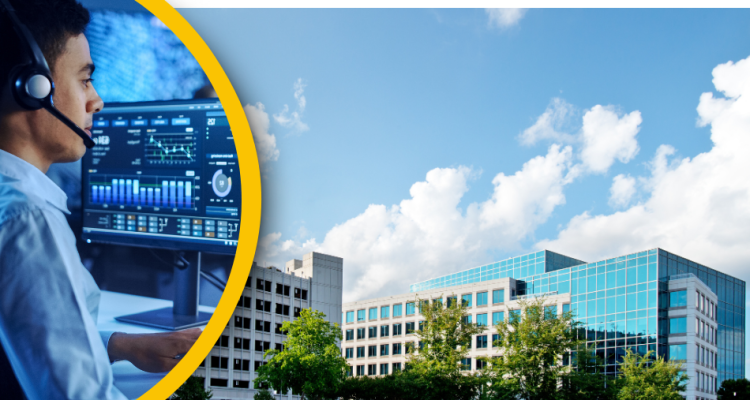
Real-Time Threat Verification: How Remote Monitoring Enhances Corporate Incident Response
Corporate security teams navigate a relentless challenge: distinguishing credible threats from false alarms. Motion sensors, door contacts, and glass-break detectors trigger alerts, but without context, these signals often lead to wasted resources or missed dangers. Real-time threat verification through remote monitoring bridges this gap, combining AI-driven analytics with human expertise to validate incidents and accelerate law enforcement response.
The Mechanics of Real-Time Verification
Modern systems deploy high-resolution cameras with infrared and thermal imaging capabilities, covering entry points, parking garages, and sensitive interior zones. When an alarm activates-whether from forced entry, motion detection, or environmental sensors-live operators at a 24/7 monitoring center immediately access the relevant camera feeds.
Operators analyze multiple angles to confirm threats: Is that movement in the server room an employee working late or an intruder? Did the shattered glass result from a break-in or a fallen object? Unlike traditional alarms that blindly notify authorities, remote verification adds a critical layer of scrutiny. Two-way audio systems allow operators to issue verbal warnings, often deterring trespassers before they breach secure areas.
Video Evidence: Accelerating Law Enforcement Action
When verification confirms a threat, operators dispatch law enforcement with timestamped video clips and live feeds. This evidence transforms police response from a routine check to a high-priority intervention. Departments increasingly prioritize verified alarms, as they eliminate the uncertainty plaguing traditional systems.
Consider a corporate campus after hours. An individual attempts to pry open a loading dock door, triggering an alarm. Within 15 seconds, an operator zooms in, confirms malicious intent via video, and activates onsite speakers: “You are being recorded. Leave immediately.” The intruder flees, but the operator continues tracking their movement across perimeter cameras, relaying real-time updates to responding officers.
AI Analytics: Flagging Anomalies Before Escalation
Advanced systems pre-filter alerts using machine learning algorithms trained on normal activity patterns. Unusual behaviors – lingering near executive suites after business hours, repeated access denials at secure doors, or vehicles circling parking lots trigger prioritized alerts for operators. This reduces cognitive overload, allowing human reviewers to focus on high-probability threats.
Reducing False Alarms, Cutting Costs
Municipalities increasingly penalize businesses for false alarms, with fines reaching hundreds of dollars per incident. Remote verification slashes these costs by confirming threats before authorities are notified. For multi-site enterprises, this translates to annual savings of thousands while preserving police responsiveness for genuine emergencies.
Integration with Access Control and Sensors
Leading systems unify video verification with access control logs and IoT sensors. If an unauthorized individual enters a restricted zone, the system automatically locks adjacent doors, triggers nearby cameras, and alerts operators. Environmental sensors for floods or fires integrate seamlessly, enabling operators to verify emergencies and coordinate with first responders.
Compliance and Documentation
Regulated industries benefit from detailed incident logs, including video clips, operator commentary, and law enforcement reports. These records simplify compliance audits and insurance claims, demonstrating due diligence in protecting sensitive data and facilities.
Scalability for Enterprise Needs
Whether securing a single office tower or a global network of facilities, cloud-based platforms centralize monitoring while allowing location-specific protocols. Regional compliance requirements, camera configurations, and response workflows adapt without requiring onsite hardware upgrades.
Operational Efficiency
Security teams gain a centralized dashboard to monitor multiple locations, review historical incidents, and adjust protocols. Automated alerts for offline cameras or malfunctioning sensors ensure system integrity, while predictive analytics flag maintenance needs before failures occur.
Employee Safety
Late-night workers benefit from virtual escorts. Operators monitor their path from the office to parking garages, ready to dispatch help if needed. Panic buttons integrated with access control systems provide immediate assistance during emergencies.
Cybersecurity Considerations
Modern platforms encrypt video feeds and access logs, protecting against unauthorized access. Regular firmware updates and network segmentation prevent vulnerabilities in IP cameras and IoT devices from compromising corporate networks.
Cost-Effective Protection
Remote monitoring reduces reliance on onsite guards, cutting costs without sacrificing coverage. Cloud-based systems eliminate upfront hardware investments, offering subscription models that scale with organizational growth.
Commercial Security Solutions in Arizona
Upgrade your corporate security with real-time threat verification. Interactive Security Technologies’ remote monitoring solutions reduce false alarms, accelerate emergency response, and provide actionable evidence. Contact us today to implement a system that protects your people, assets, and reputation.